
Clouds Over Crowds, Exploring the Olympic Peninsula in Off-Season
Allow the weather to set the mood and the agenda, and the Olympic Peninsula truly unveils itself.

If you’re looking for the quick details of favorite places to visit, scroll down to my off-season list.
Most National Parks have their season, when the guide books and blogs extol their prime virtues. But as the seasons change, so do the National Parks and some—if not most—can feel like entirely different parks with a change of weather. Personality disorder isn’t limited to humans, some parks shift between bright, sun-shining positivity and moody, tempestuous cloudy storms.
When busy Nutcracker rehearsal season was upon me, I was in the Tacoma, Washington area with a some time to explore. Olympic National Park, at the most northwestern point of the continental United States, seemed to be the perfect counter to fluorescent-lit white dance studio walls.
The Olympic Peninsula, and its National Park, became increasingly popular with the Twilight book series and subsequent movies, which were set in the saturnine location. If your only preconceived notions of the Olympic Peninsula are from this book, the autumn and winter months are your time to visit. Yet, the peninsula is most visited in the summer when high mountain trails are clear and warm sunny days turn every day into a blue-green wonderland.
Shrouded in clouds and eternal mist, off-season is the park at its moodiest and most memorable.
Olympic National Park, established in 1938, has a triple personality. Three distinct environments for the price of one: mountains, rainforest and coastline. Study tide pool commutes before lunch, chase trolls through the mossy rainforest in the afternoon and cap it all off with dazzling, snow-capped peaks.
At nearly one million acres, Olympic National Park is an UNESCO World Heritage Site and International Biosphere Reserve that is one of the most bio-diverse of all the national parks.
The west side of the park features one of the best examples of an intact temperate rain forest in the Pacific Northwest. At the ocean, the park’s 62 miles of undeveloped wilderness coastline is the longest in the contiguous United States.
Glaciated mountains form the center of the park, created by oceanic rocks, uplifted from tectonic plate collisions.
While most visit the park in the summer months, once the crowds leave and the sunshine disappears, its true nature is revealed. Twilight wasn’t set in the region for nothing!
Many of the park’s sites exist on separate roads but a loop on highway 101 around the Olympic Peninsula is the best route to take to explore all corners.
During the cooler months mountain exploration will be limited, but the views (when the clouds part) of snow-capped mountains is worth a winter visit. Down at sea level, the Pacific Northwest is pleasantly temperate, autumn or winter doesn’t usually mean snow—just rain and cloudy grey days followed by bursts of blue sky in healthy contrast.
I set out wanting to write an itinerary, but the Olympic Peninsula in off-season has a mythical aura to it. My plans quickly went the way of the wind (and fog). It’s best to wander. Blessed with a blue-sky day? Head to Cape Flattery. Rainy and damp? Wander the mossy paths of the Hoh Rainforest. You get the drift.
Where to stay? Perhaps Victorian-era Port Townsend and its fall whale watching tours is for you. Or Forks, with its stark simplicity, is your vibe. For National Park lodges check out: Kalaloch Lodge perched on the coast, the Lake Crescent Lodge or the Sol Duc Hot Springs Resort.
Nothing is too far apart to be unmanageable. Pick a home base (or two) and wait for the weather, your mood, or the charged ether of the peninsula to plan your day.
Off-Season Favorites:
Definitely, not an exhaustive list. Let me know your favorites in the comments!
Hoh Rainforest and the Hall of Moses Trail
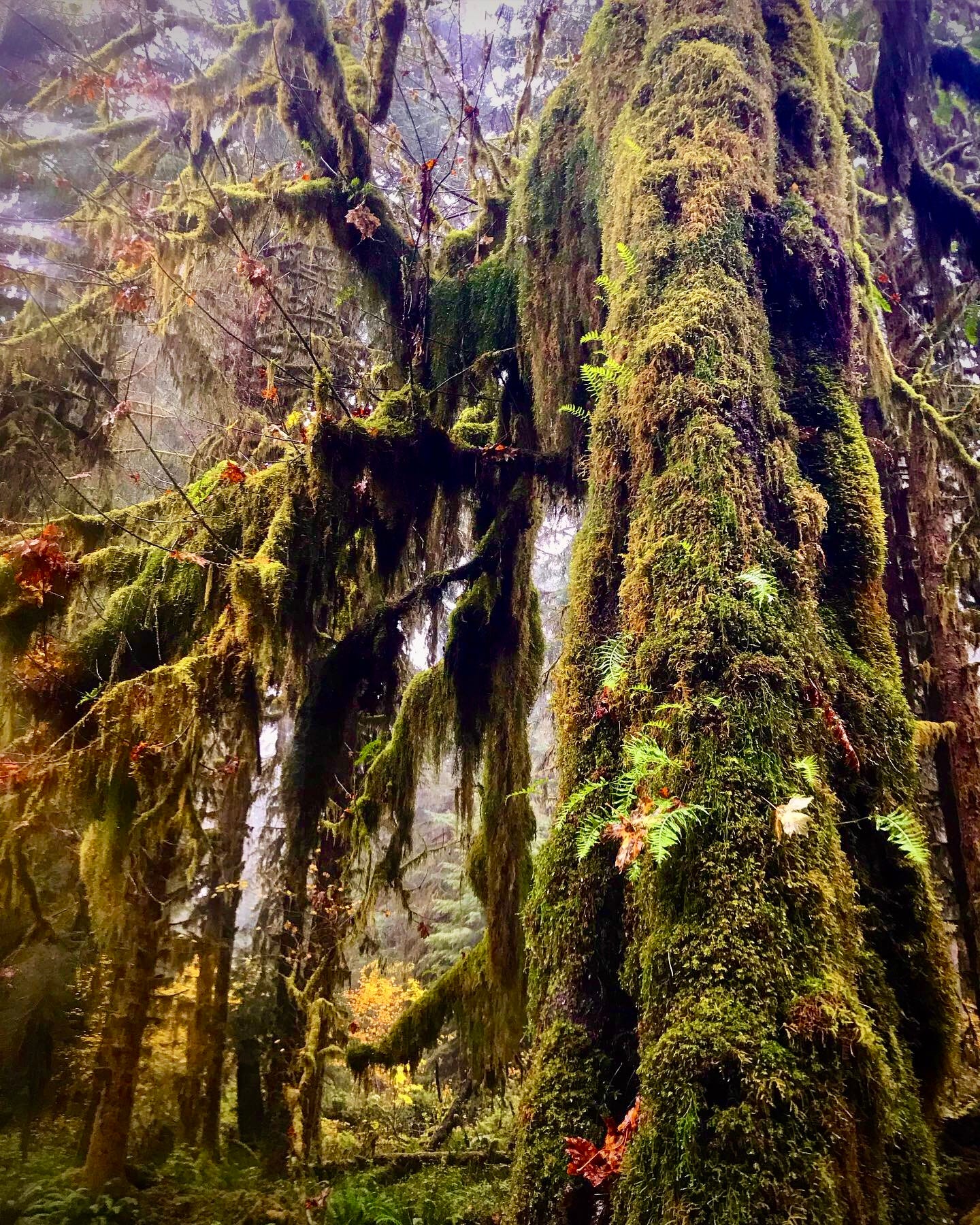
My Danish friend tells me trolls inhabit the Hoh Rainforest, and on my first visit I could certainly see why they’d love this mystical place. Enveloped in green, exploration becomes color therapy. The Hoh Rainforest is even better to explore in the off-season, lush from nonstop rain, mist and fog—it is a rainforest, after all.
Sol Duc and Marymere Falls
Two different but popular waterfalls to visit. Sol Duc Falls has the easiest hike (if you can call it that) for viewing, but Marymere isn’t much of a challenge either.
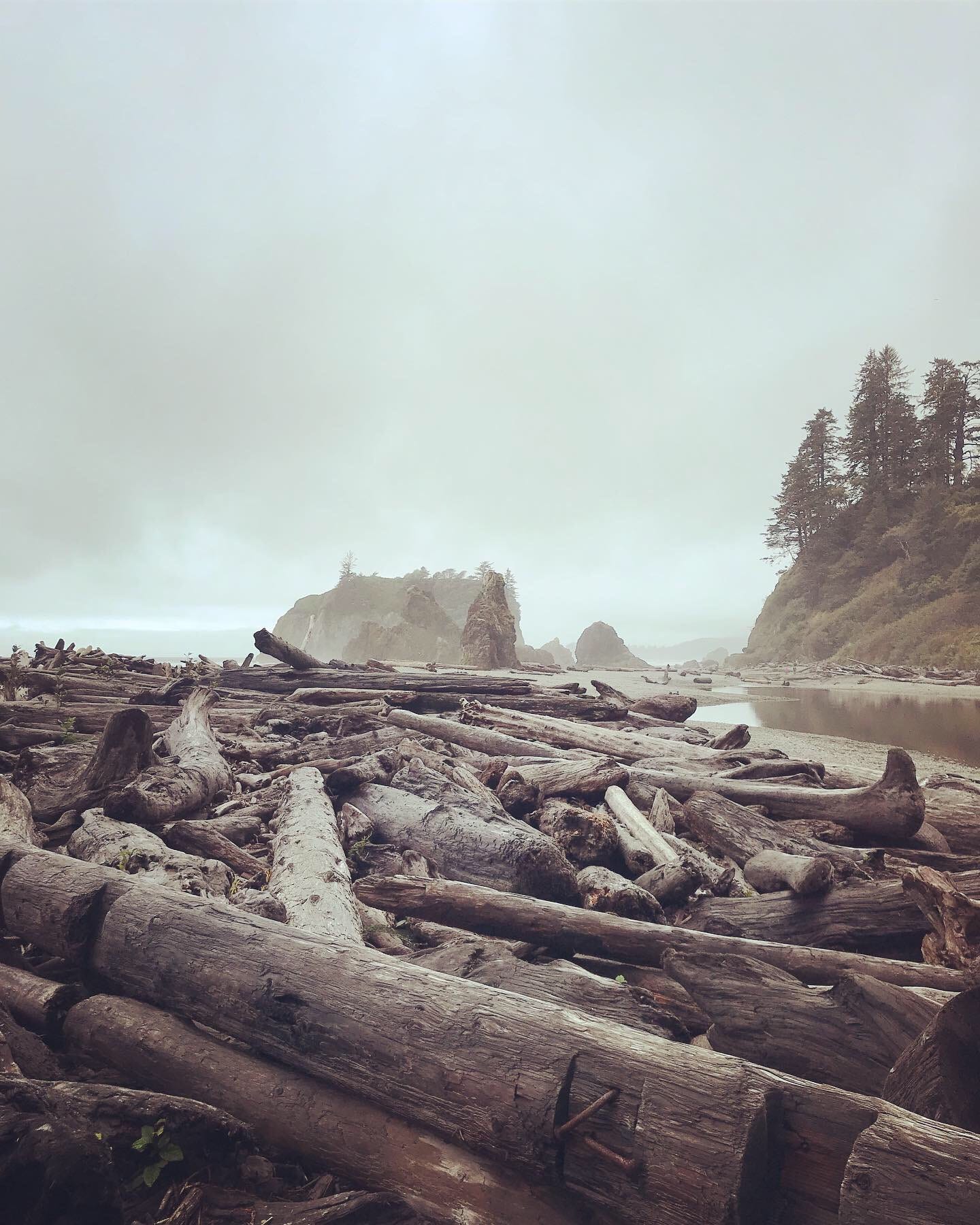
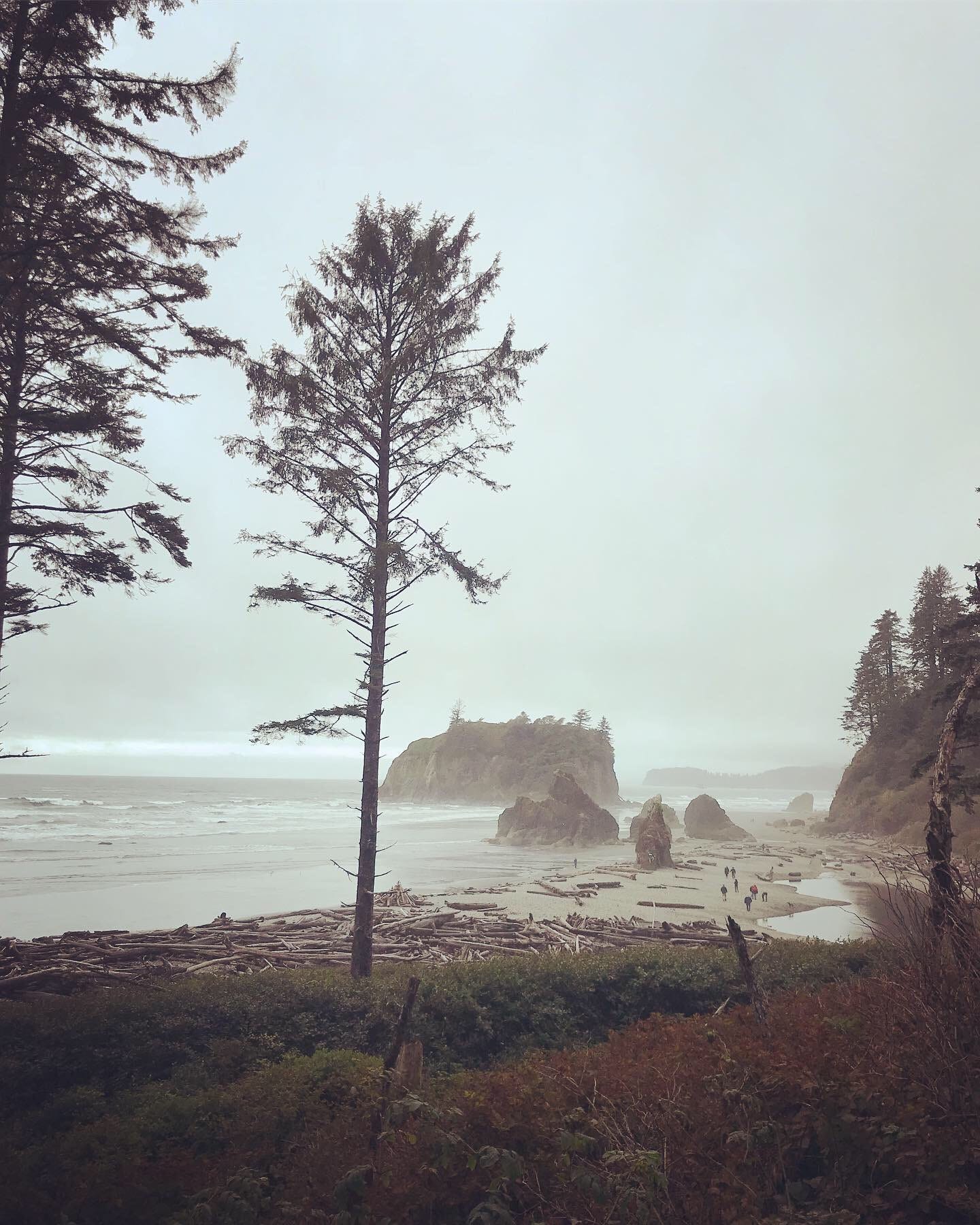
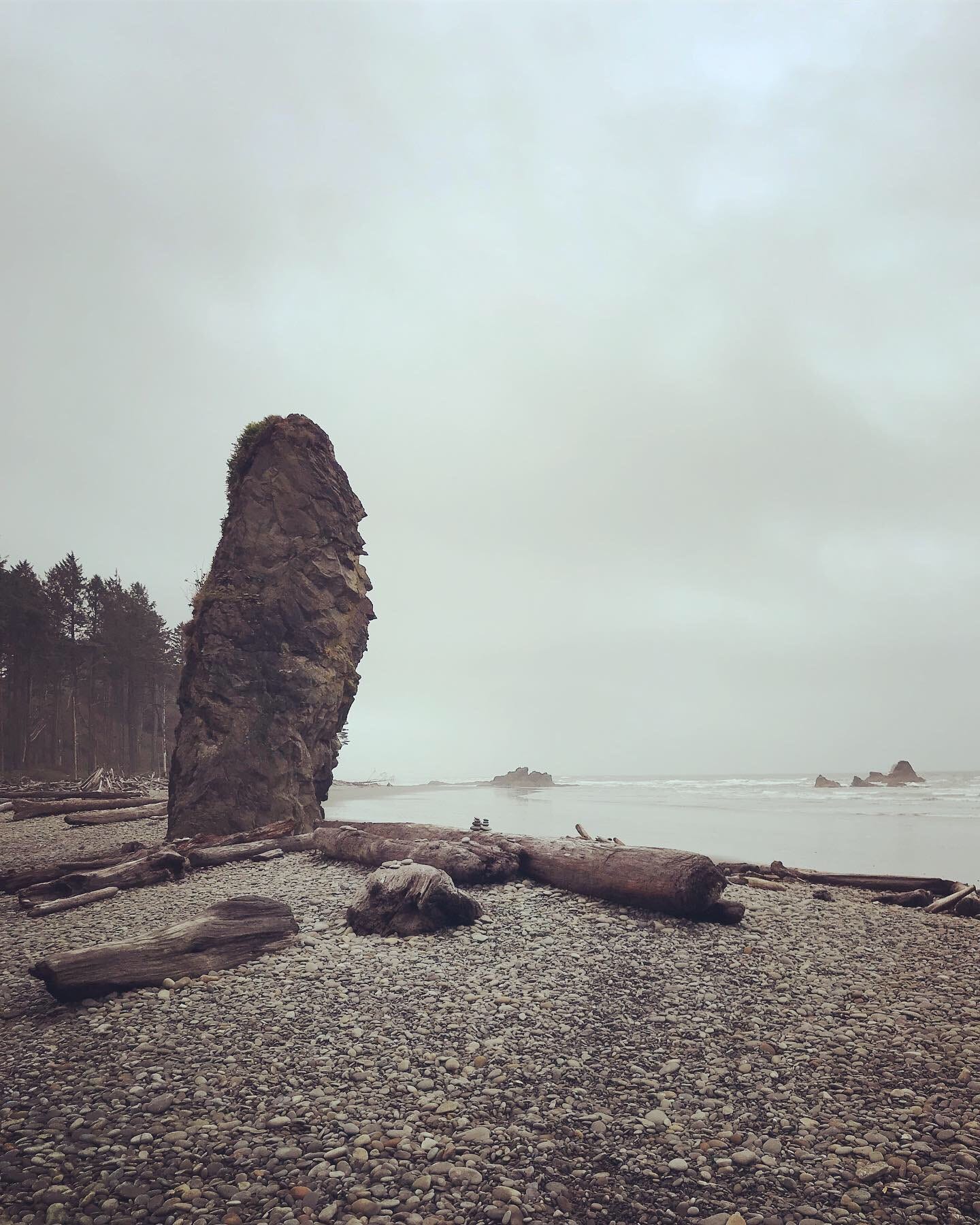
Ruby Beach
Tide pools, driftwood, sea stacks and endless drama in the of-season.
Rialto Beach
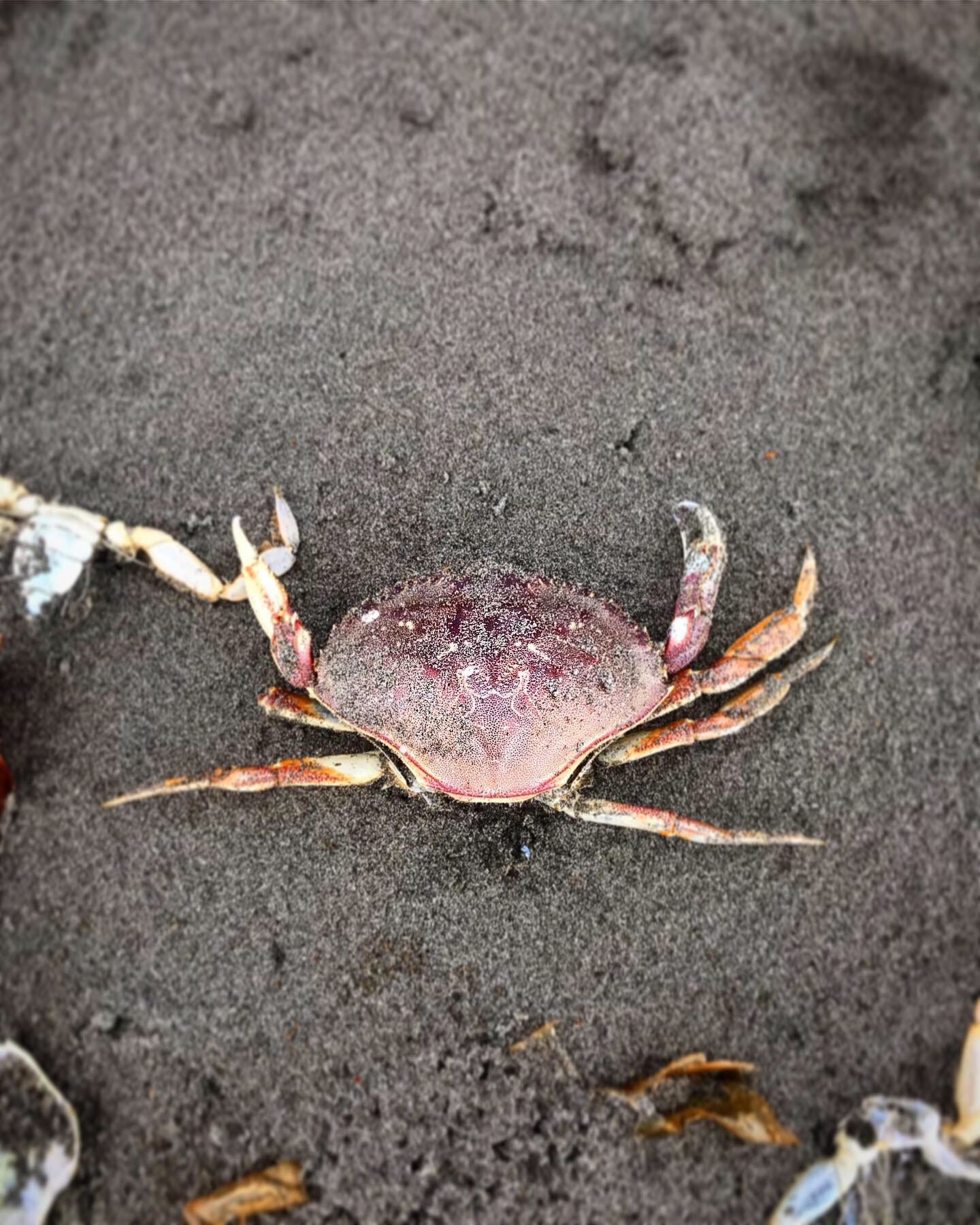
Rialto Beach is considered one of the best beaches for tide pool exploration and is also famous for its “Hole-in-the-Wall” formation.
Second Beach
More tide pools and sea stacks.
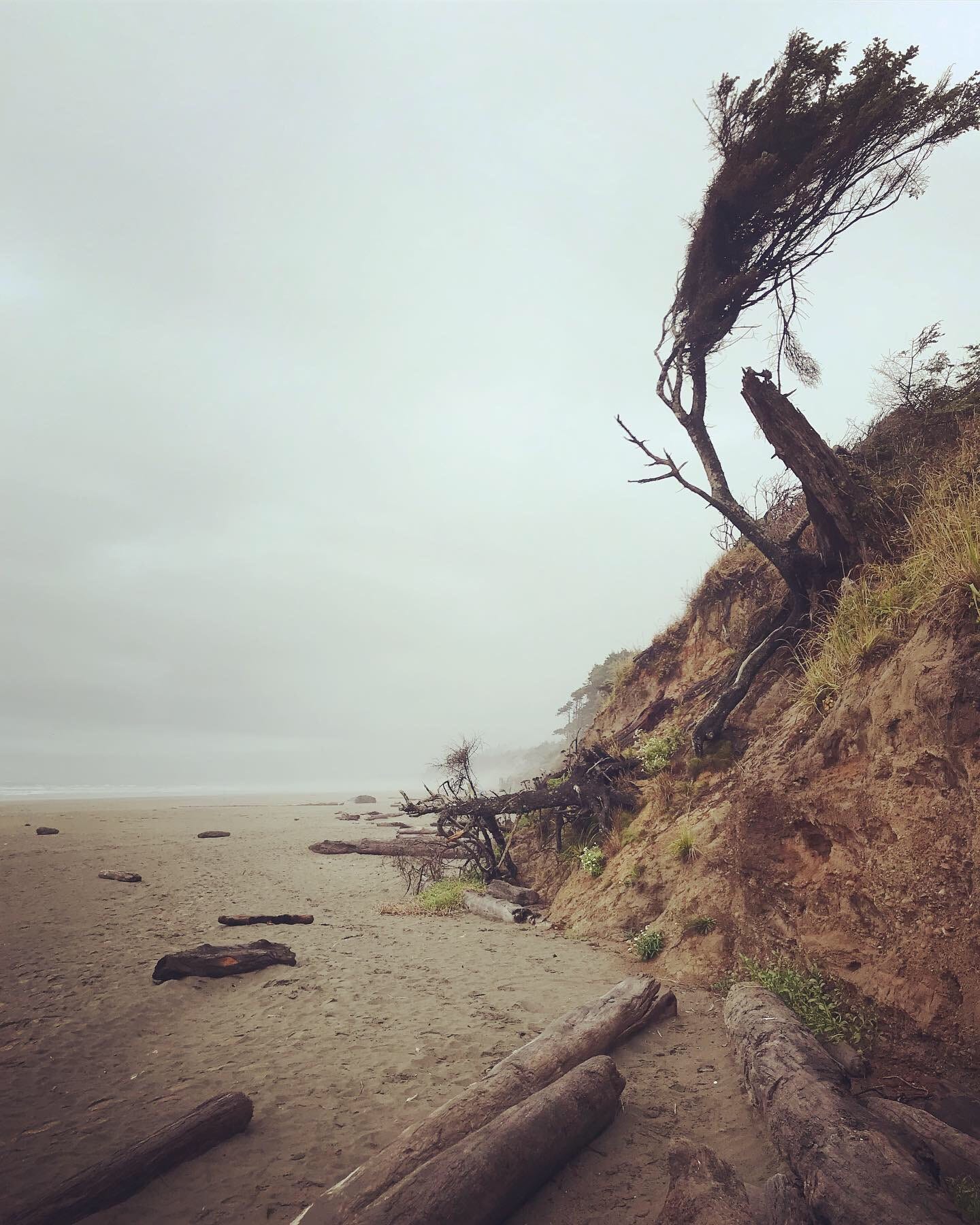
Tree of Life at Kalaloch Beach
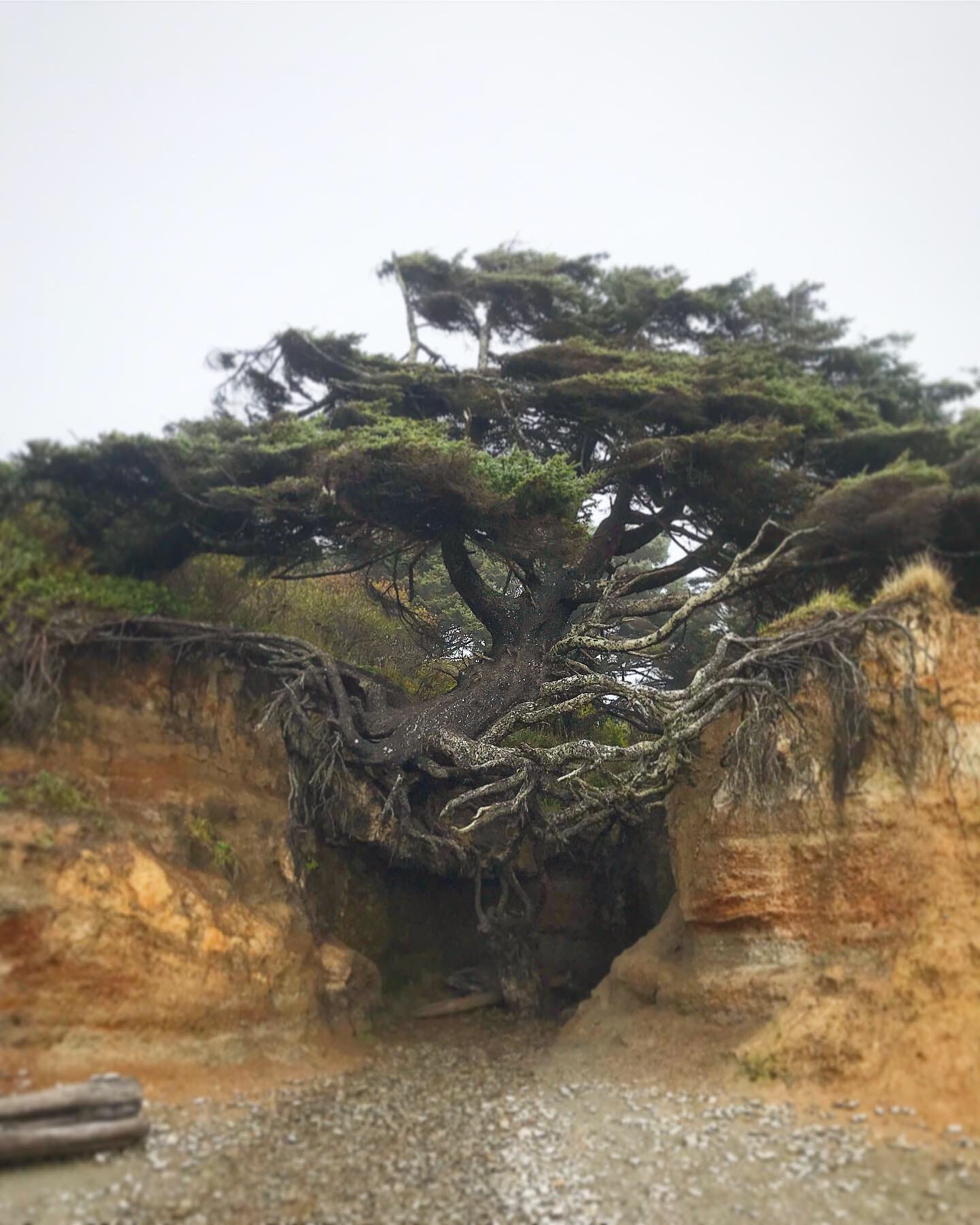
Near the Kalaloch Campground on Kalaloch Beach in Olympic National Park sits a Sitka spruce with its roots suspended over an eroded cavern. How long this gravity defying tree will survive is unknown, slumping even more since my visit. As with most beach locations, it’s best to visit at low tide.
Cape Flattery
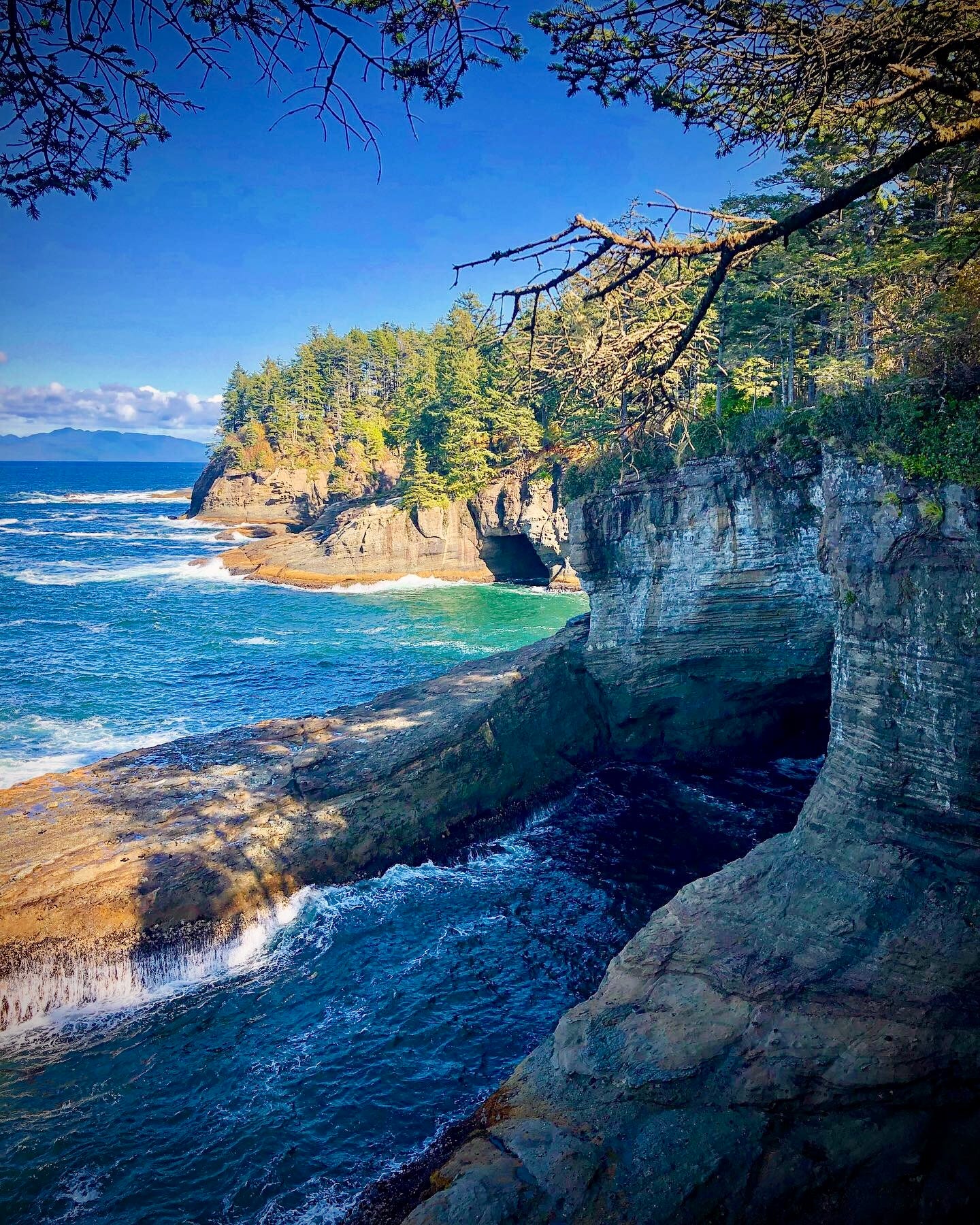
Cape Flattery holds the distinction as the most northwestern point in the contiguous United States.
The drive along highway 112, on the Olympic Peninsula’s north coast, is nothing but spectacular and is best viewed on a sunny, clear day. In the fall, whales on their migration south, can be spotted breaching in the Strait of Juan de Fuca.
The cape itself is filled with impressive, yet intimate vistas; even better if you can manage to get the place all to yourself.
Whale Watching
During the fall, humpback and gray whales migrate, passing the Olympic Peninsula, on their way from their arctic feeding grounds towards the warmer waters of the Baja Peninsula. They can easily be spotted off shore (such as on highway 112, mentioned above, or on the many beaches) or on a whale watching tour. Port Townsend and Port Angeles both offer whale watching tours.
Need to Know
You’ll probably want to fly into Seattle and rent a car, if you’re traveling from far afield.
As noted above, there are plenty of accommodation options. If you’re interested in Olympic National Park lodging, be sure to book well in advance.
Start with the official Olympic National Park website for up to date information on road closures, operating hours etc.
Embrace the rain and pack plenty of layers. You don’t want to miss out on something just because you’re afraid of getting wet. An extra pair of shoes goes a long way after a particularly rainy day.
If we haven’t met yet, I’m Richard Philion. I traveled the world during my dance career and continue to explore with the same passion. If you love adventures to both new and familiar places, I’d love to connect and share our mutual love for travel. Through the Travelling Troubadour, I hope to inspire and inform with stories, tips, and itineraries.
Feel free to message me directly—I’d love to meet you.
I visited in January one year and I loved it! Still need to do the Hoh Rainforest though and I think winter will be the perfect time.
I like the most the first part, with misty landscape. Thank you.